


If you cook with an Instant Pot regularly, you already know how important the sealing ring is. Studies show that up to 60% of pressure cooker issues stem from improper sealing ring maintenance. Learning how to clean instant pot sealing ring correctly can extend its lifespan, eliminate lingering odors, and keep your meals tasting fresh every time. This guide walks you through every method, tip, and trick you need to maintain a clean, odor-free sealing ring like a pro.
Why Cleaning Your Instant Pot Sealing Ring Matters
The sealing ring is a small but mighty component of your Instant Pot. It creates the airtight seal that allows pressure to build safely inside the pot. Without a properly cleaned ring, odors from previous meals can transfer into your desserts or delicately flavored dishes. A dirty ring can also harbor bacteria, mold, and grease buildup over time. Taking a few minutes to clean it regularly protects both your health and your cooker’s performance.
Signs Your Sealing Ring Needs Cleaning
Knowing when to clean your ring saves you from unpleasant surprises at mealtime. You will notice a strong, lingering smell even after washing the ring with water. Sometimes the ring appears discolored, greasy, or slightly tacky to the touch. In some cases, you may spot visible food residue or mold-like spots along the edges. Any of these signs mean it is time to give your ring a thorough clean immediately.
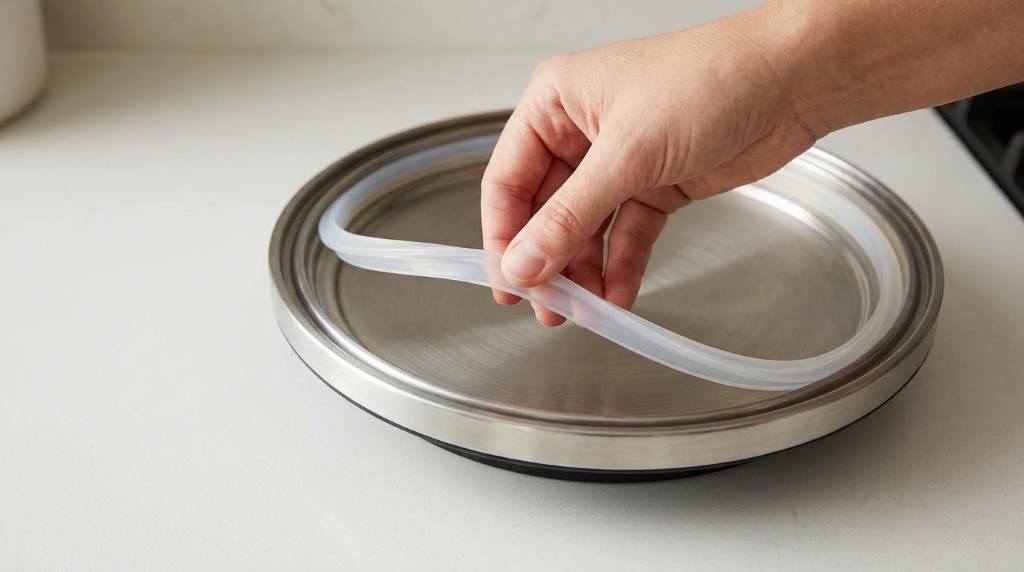
How to Remove the Sealing Ring Safely
Before you clean the ring, you must remove it correctly to avoid damage. First, allow your Instant Pot to cool completely after cooking. Then, grip the sealing ring firmly along its edge and pull it away from the lid’s sealing ring rack. Work your way around the ring gently, rather than yanking it from one single point. Proper removal prevents stretching or tearing, which can compromise the ring’s ability to seal.
How to Clean Instant Pot Sealing Ring: 4 Proven Methods
There are several effective ways to clean your sealing ring depending on how soiled it is. Each method suits a different level of odor or residue buildup. Choosing the right approach ensures thorough cleaning without damaging the silicone material. Try one or combine a few for the best results.
Method 1: Dishwasher Cleaning
This is the easiest and most convenient method for routine maintenance. Simply place the sealing ring on the top rack of your dishwasher. Use your regular dishwasher detergent and run a normal cycle. The heat and water pressure work together to remove grease and bacteria effectively. Always air-dry the ring completely before placing it back on the lid.
Method 2: Hot Soapy Water Wash
Hand washing works well for light cleaning after everyday cooking sessions. Fill your sink with warm water and add a generous squirt of dish soap. Submerge the sealing ring and scrub it gently with a soft sponge or brush. Pay extra attention to the grooves and folds where food particles tend to hide. Rinse thoroughly under running water and let it dry fully before reattaching.
Method 3: White Vinegar Soak
White vinegar is a natural deodorizer and disinfectant that works brilliantly on silicone. Mix equal parts white vinegar and water in a bowl large enough to submerge the ring. Let the ring soak for at least 30 minutes, or up to two hours for stubborn odors. After soaking, scrub lightly with a soft brush and rinse with clean water. This method is especially effective after cooking curries, chilis, or strongly spiced dishes.
Method 4: Baking Soda Paste Treatment
Baking soda is a gentle abrasive that neutralizes tough odors without scratching silicone. Mix two tablespoons of baking soda with just enough water to form a thick paste. Apply the paste directly onto the sealing ring and rub it in thoroughly with your fingers or a soft cloth. Let it sit for 15 to 20 minutes before rinsing off completely with warm water. For very strong smells, combine this method with the vinegar soak for a powerful one-two punch.
How to Deodorize the Sealing Ring Naturally
Even after washing, some stubborn smells can linger on silicone surfaces. Fortunately, a few natural ingredients can tackle odors quickly and safely. Sun exposure is one of the most overlooked deodorizing techniques available to home cooks. Placing the clean, damp ring in direct sunlight for a few hours helps break down odor-causing compounds naturally. Alternatively, you can place the dry ring in an open bag with a few slices of lemon or a tablespoon of coffee grounds overnight.
Steam Cleaning the Sealing Ring Inside the Instant Pot
Your Instant Pot itself can become a cleaning tool for the sealing ring. Place two cups of white vinegar in the inner pot, reassemble the lid with the sealing ring in place, and run a Steam cycle for two minutes. The hot vinegar steam penetrates the silicone and dissolves built-up grease and odor molecules from the inside out. Allow the pot to depressurize naturally, then remove the ring and rinse it well. This method is one of the fastest ways to refresh the ring between deep cleans.
How Often Should You Clean the Sealing Ring
Cleaning frequency depends on how often and what you cook in your Instant Pot. For everyday users, a light wash after every use is a good baseline habit. Perform a deeper clean with vinegar or baking soda at least once a week. If you cook strong-smelling foods like garlic-heavy sauces or seafood dishes, clean the ring immediately after each session. Many experienced Instant Pot cooks keep two separate rings, one for savory meals and one for sweet recipes, to prevent flavor transfer entirely.
When to Replace Your Instant Pot Sealing Ring
Cleaning can only do so much before a sealing ring reaches the end of its useful life. Most manufacturers recommend replacing the ring every 12 to 18 months with regular use. Signs of wear include visible cracks, permanent discoloration that does not wash out, or a warped shape that no longer fits snugly. A damaged ring can prevent proper sealing and create safety risks during pressure cooking. Replacement rings are inexpensive and widely available online or at major kitchen retailers across the country.
Tips to Keep Your Sealing Ring Cleaner for Longer
Prevention makes the ongoing cleaning process much easier and less time-consuming. Always store the sealing ring separately from the lid when the Instant Pot is not in use. Allowing air circulation prevents moisture buildup that leads to mold and mildew growth. Avoid using harsh chemical cleaners or abrasive scrubbers that can degrade the silicone over time. Following these simple habits means you spend less time scrubbing and more time enjoying your pressure-cooked meals.
Conclusion
Now that you know how to clean instant pot sealing ring using multiple proven methods, there is no reason to let odors or residue affect your cooking. Regular cleaning protects the ring’s function, keeps your food tasting its best, and extends the life of your Instant Pot. Whether you prefer the dishwasher, a vinegar soak, or a quick baking soda scrub, consistency is the key to success. Start applying these techniques today and share this guide with a fellow Instant Pot lover who needs it. A clean sealing ring is one of the simplest ways to upgrade your pressure cooking experience.
Frequently Asked Questions
Can I put the Instant Pot sealing ring in the dishwasher?
Yes, the sealing ring is dishwasher safe and should be placed on the top rack for best results.
How do I get the curry smell out of my Instant Pot sealing ring?
Soak the ring in a mixture of equal parts white vinegar and water for at least 30 minutes to neutralize the odor.
How often should I replace my Instant Pot sealing ring?
Replace the sealing ring every 12 to 18 months, or sooner if you notice cracks, warping, or permanent discoloration.
Why does my Instant Pot sealing ring smell even after washing?
Silicone is porous and absorbs strong food odors, so a simple rinse is often not enough to fully eliminate deeply embedded smells.
Is it safe to use baking soda to clean the sealing ring?
Yes, baking soda is a safe, gentle, and effective cleaner that removes odors and light residue without damaging silicone.