

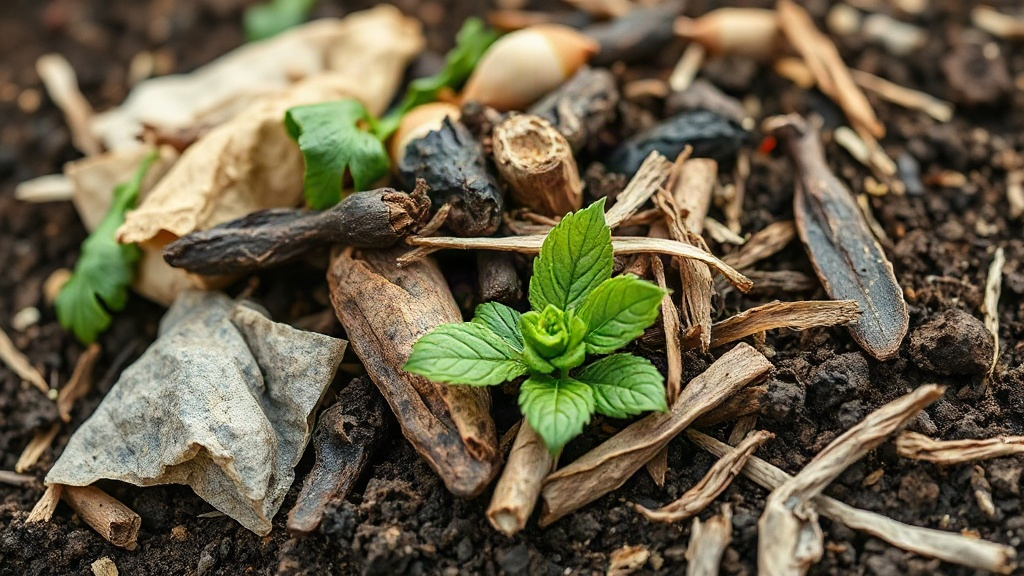
A single household can turn yard waste and kitchen scraps into a steady supply of dark, crumbly compost that feeds every bed on the property. Instead of bagging leaves for pickup and scraping plates into the trash, you can route both streams into a pile, bin, or tumbler and let microbes do the work. This guide explains what belongs in that pile, why it pays off, and how to keep it working without smells or pests. If you want the broader picture before you start, read more about how home composting fits into a greener property.
Quick answer: Collect yard trimmings and kitchen scraps, keep a rough balance of about two parts dry brown material to one part wet green material, and keep the pile as damp as a wrung-out sponge. Turn it regularly, bury food scraps in the center, and finished compost will be ready in roughly two to six months depending on method and season.
What is turn yard waste and kitchen scraps?
Turning yard waste and kitchen scraps means managing them as raw material for decomposition rather than as trash. The term covers the everyday organic leftovers of a household and a garden: grass clippings, fallen leaves, pruned branches, spent plants, coffee grounds, vegetable peels, eggshells, and similar items. Pile them, mix them with air and moisture, and soil organisms break them down into humus-rich compost.
The two streams behave differently, which is why they work well together. Yard waste tends to arrive in bursts — a heap of leaves in autumn, a bag of clippings after mowing. Kitchen scraps arrive steadily, a few cups a day, and they are wet and nitrogen-rich. Combining them gives you volume, moisture, and a nutrient mix that supports fast decomposition.
The brown and green balance
Composting guides usually describe materials as browns or greens, and the labels refer to carbon and nitrogen.
- Browns are dry, woody, carbon-rich materials: dead leaves, straw, cardboard, shredded paper, sawdust, and small twigs.
- Greens are moist, nitrogen-rich materials: grass clippings, food scraps, coffee grounds, and fresh plant trimmings.
A rough target is two to three parts browns to one part greens by volume. You do not need to measure precisely. If the pile smells sour or slimy, add browns; if it sits dry and nothing seems to happen, add greens and water.
What counts as yard waste
Leaves, grass clippings, plant trimmings, weeds without seed heads, spent annuals, small branches, and hedge clippings all compost well. Woody material breaks down slowly, so chip or shred thick branches first, or use them as the bottom layer for airflow. Avoid diseased plants and perennial weeds with runners unless your pile gets reliably hot.
What counts as kitchen scraps
Fruit and vegetable peels, coffee grounds and filters, tea bags, eggshells, stale bread, and plain cooked leftovers are all fine. Keep out meat, fish, dairy, and oily foods in an open pile, because they attract animals and smell strongly. Bury everything in the center of the pile and cover it with browns.
Compost happens because microorganisms, insects, and worms have food, water, and air. Managing those three inputs matters more than any specific container.
Takeaway: Treat yard waste and kitchen scraps as two complementary ingredients — dry and woody on one side, wet and fresh on the other — and mix them.
Why turn yard waste and kitchen scraps matters
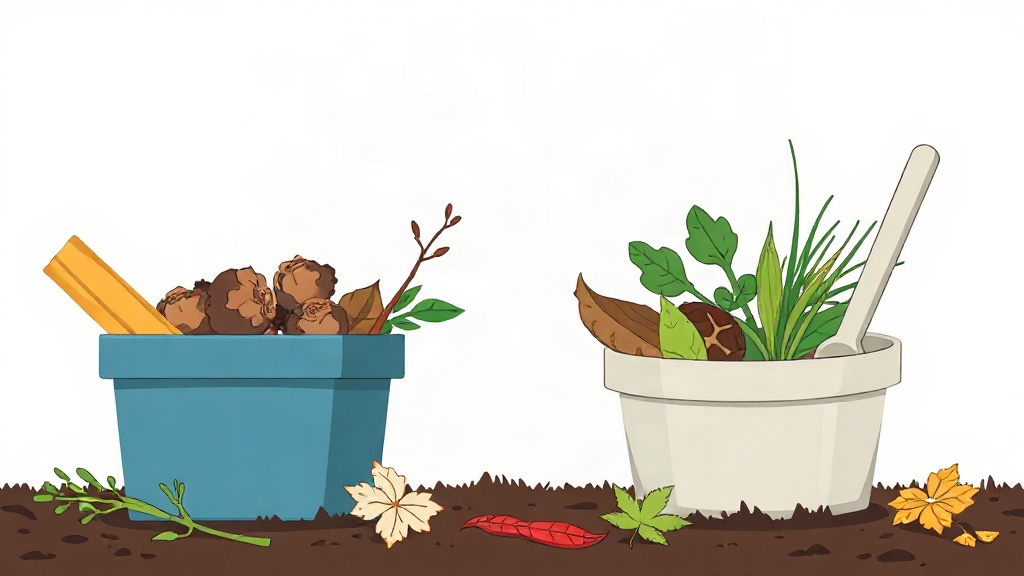
Composting keeps organic material out of landfills and returns its nutrients to your soil. When organic waste is buried in a landfill, it decomposes without oxygen and produces methane, a potent greenhouse gas. Home composting lets the same material break down aerobically, and the finished product improves the soil that grows your plants.
The garden benefits are practical and visible. Compost adds organic matter that helps sandy soil hold water and heavy clay drain better. It feeds soil life, from bacteria to earthworms, and supplies nutrients gradually rather than in a single dose. A garden amended with compost typically needs less commercial fertilizer and less watering over time.
There is a money angle as well. Bags of compost and mulch cost money every season, while leaves and scraps are free and continuous. A household that composts everything it can often generates enough material to top-dress vegetable beds, refresh flower borders, and feed a lawn.
Benefits beyond the garden
Composting also reduces the volume of waste you set out for collection. Yard trimmings and food scraps make up a large share of typical household garbage, so diverting them can shrink your curbside load noticeably. Less bagging and fewer trips to the transfer station follow.
For households with a garden, the loop closes neatly: kitchen scraps become compost, compost grows vegetables, and the next round of scraps starts again. That cycle is the reason composting appeals to both practical gardeners and people trying to live with a lighter footprint.
Takeaway: Composting cuts waste, builds healthier soil, and replaces purchases — three gains from material you already have.
Best practices
Good composting is mostly about consistency and a few simple habits. A pile that receives regular attention breaks down faster and smells better than one left alone for months. If you want to make compost faster, a tumbler or a regularly turned bin can speed the process considerably.
Choose a method that fits your space
Pick the system that matches your yard, budget, and time.
- Open pile: cheapest option, needs space and some muscle for turning.
- Wire or wooden bin: contains the pile neatly and is simple to build.
- Tumbler: easy to turn, good for small yards, less capacity.
- Worm bin: works indoors or on a patio for kitchen scraps only.
Manage moisture and air
Aim for the consistency of a wrung-out sponge. Squeeze a handful; if water drips out, it is too wet, and if it crumbles dry, add water. Turn the pile every one to two weeks to introduce oxygen, which keeps the process aerobic and odor-free.
Chop and bury scraps
Smaller pieces decompose faster, so cut large items into chunks and shred leaves if you can. For kitchen scraps, always dig a hole in the pile’s center, add the scraps, and cover them with at least a few inches of browns. This step alone prevents most pest problems.
Layer as you go
Alternate thin layers of greens and browns rather than dumping everything at once. Keep a bucket of dry leaves or shredded paper near the bin so you can cover each addition immediately. This habit keeps the surface tidy and the balance steady.
A lidded quart or gallon container on the counter makes it easy to carry scraps out daily, before they start to smell or attract fruit flies.
Takeaway: Match the method to your space, keep the pile damp and aired, and always cover fresh scraps with browns.
Common mistakes to avoid
Most compost problems trace back to a handful of avoidable errors. Fixing them is usually simpler than starting over. Check your pile against the list below whenever something seems off.
Too many greens, not enough browns
This is the most frequent mistake. A pile loaded with grass clippings and food scraps turns slimy and smells like rot. Add dry leaves, straw, or shredded cardboard and turn the pile to restore balance.
Letting the pile dry out
A dry pile stalls. Microbes need moisture to work, so water the pile during dry spells and turn it to distribute the moisture. Covering the bin with a lid or tarp helps retain water in hot weather.
Adding the wrong materials
Keep these out of an open pile:
- Meat, fish, and dairy, which attract animals
- Pet waste, which can carry pathogens
- Diseased plants, unless the pile gets reliably hot
- Glossy paper, plastics, and coated cardboard
- Weeds that have already gone to seed
Skipping the turn
A pile left untouched still decomposes, but slowly. Turning mixes materials, adds oxygen, and exposes new surfaces to microbes. Even a monthly turn makes a noticeable difference.
Expecting compost too soon
Finished compost takes time. A hot, well-managed pile can produce compost in about two months; a cool pile may take six months to a year. Judge readiness by texture and smell, not by the calendar — finished compost is dark, crumbly, and smells earthy.
Takeaway: Balance the mix, keep it moist, exclude problem materials, and turn regularly for steady results.
FAQ
How long does it take to turn yard waste and kitchen scraps into compost?
Under good conditions, a hot pile produces usable compost in about two to three months. Cooler, less-managed piles can take six months to a year. Turning frequency, particle size, moisture, and season all affect the timeline.
Does a compost pile smell bad if I add kitchen scraps?
Not if you bury scraps in the center and cover them with browns. Smells usually signal too many greens, too much moisture, or food left exposed on the surface. Correct the balance and turn the pile, and odors clear within days.
Can I compost in a small yard or on a patio?
Yes. A tumbler, a worm bin, or a sealed bokashi system handles kitchen scraps in limited space. Yard waste needs more room, so small-space gardeners often compost food scraps on site and take clippings to a municipal program.
What should I do with compost in winter?
Decomposition slows in cold weather but rarely stops entirely. Keep adding material, insulate the pile with a layer of leaves, and avoid turning frozen piles. The pile will resume active breakdown when temperatures rise.
Is compost safe to use on vegetables?
Finished, mature compost is safe for vegetable gardens. Compost that still contains recognizable food scraps or smells sour is unfinished; let it cure longer before applying it around edible plants.
Conclusion
Turning yard waste and kitchen scraps into garden gold comes down to a simple routine: collect both streams, balance browns and greens, keep the pile damp, and turn it regularly. Done consistently, that routine converts free household material into compost that improves soil, reduces waste, and lowers garden costs. Begin this week with a single bin and a small counter container, cover each food addition with dry leaves, and let the pile work while you tend the rest of the garden.