

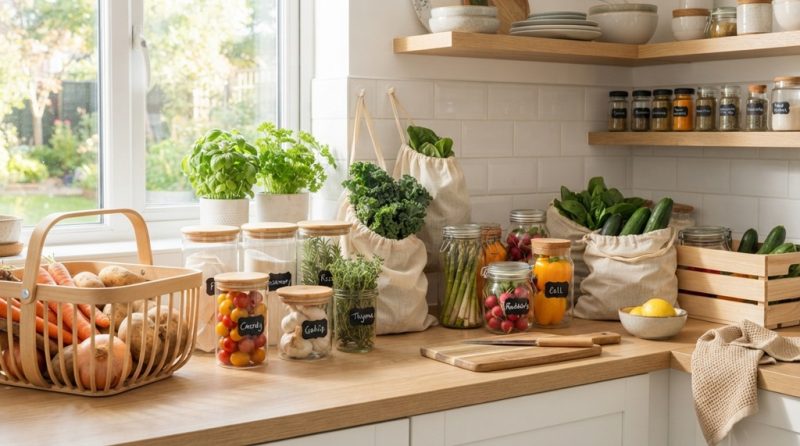
Most vegetables go bad early because of one thing: wrong storage. Cold, moisture, and airflow control how fast produce breaks down. Fix those three factors, and you can double or triple the life of your vegetables.
This guide breaks down exactly where to store each type of vegetable, what mistakes speed up spoilage, and how to set up your fridge and pantry for maximum freshness. You don’t need fancy gadgets. You need the right method for each vegetable type.
By the end, you’ll know which vegetables belong in the fridge, which ones hate the cold, and how to stop that bag of spinach from turning to mush by Thursday.
Why Vegetables Spoil Faster Than They Should
Vegetables spoil fast when they lose moisture, sit near ethylene gas, or get stored at the wrong temperature. Each vegetable has its own ideal environment, and one wrong setting can cut its shelf life in half.
The Three Main Causes of Spoilage
Moisture loss: Vegetables are mostly water. Once they lose it, they wilt and turn rubbery. Plastic bags with no airflow trap condensation, which speeds up rot instead of preventing it.
Ethylene gas exposure: Some fruits and vegetables release ethylene gas as they ripen. This gas speeds up spoilage in nearby produce. Apples, bananas, and tomatoes are big ethylene producers. Leafy greens and herbs are highly sensitive to it.
Wrong temperature: Cold-sensitive vegetables like tomatoes and potatoes break down faster in the fridge. Warm-sensitive vegetables like leafy greens wilt fast at room temperature. Matching the vegetable to its ideal zone matters more than most people realize.
Optimizing Veggie Life: Smart Grouping Meets Fresh Kitchen Air
Different vegetables thrive in distinct environments, meaning that storing incompatible produce together remains one of the most frequent causes of premature spoilage and food waste. Correctly pairing each vegetable type with its ideal storage method dramatically extends freshness, but peak preservation requires more than just proper grouping—it demands an environment free from stagnant moisture and stale aromas. Because accumulated food odor and trapped humidity can quietly taint delicate produce, ensuring your refrigerator stays fresh is essential; eliminate kitchen odors permanently using natural items to safeguard your stored harvest and maintain an optimal environment.
Leafy Greens (Lettuce, Spinach, Kale)
Wash and dry leafy greens fully before storing them. Wrap them loosely in a paper towel, then place them in a breathable bag or container in the fridge’s crisper drawer. The paper towel absorbs extra moisture, which prevents the slimy texture that ruins greens within days.
Root Vegetables (Carrots, Beets, Potatoes)
Store potatoes in a cool, dark, and well-ventilated spot outside the fridge. Cold temperatures convert their starch into sugar, which changes their texture and taste. Carrots and beets, on the other hand, do best in the fridge, ideally with their leafy tops removed since the tops pull moisture from the root.
Onions and Garlic
Keep onions and garlic in a dry, dark, well-ventilated space, never in the fridge or in a sealed bag. Moisture and trapped air cause them to sprout or grow mold quickly. A mesh bag or open basket works best.
Tomatoes
Store ripe tomatoes at room temperature, away from direct sunlight. Cold air destroys their flavor and turns the flesh mealy. Only refrigerate tomatoes if they’re already overripe and you need to slow down further softening.
Peppers and Cucumbers
Keep peppers and cucumbers in the fridge’s crisper drawer, but avoid sealing them in airtight plastic. Both vegetables are sensitive to excess moisture, so a bag with small holes or a partially open container works better than a fully sealed one.
Broccoli and Cauliflower
Store broccoli and cauliflower unwashed in a loose or perforated bag in the fridge. Washing them before storage adds moisture that speeds up decay. A slightly damp paper towel wrapped around the stem can help broccoli stay fresh a few extra days.
Fridge Setup Tips Most People Overlook
A poorly organized fridge causes more spoilage than most people realize. Small adjustments to airflow and placement can add days or even weeks to your vegetables’ shelf life.
Use the Crisper Drawers Correctly
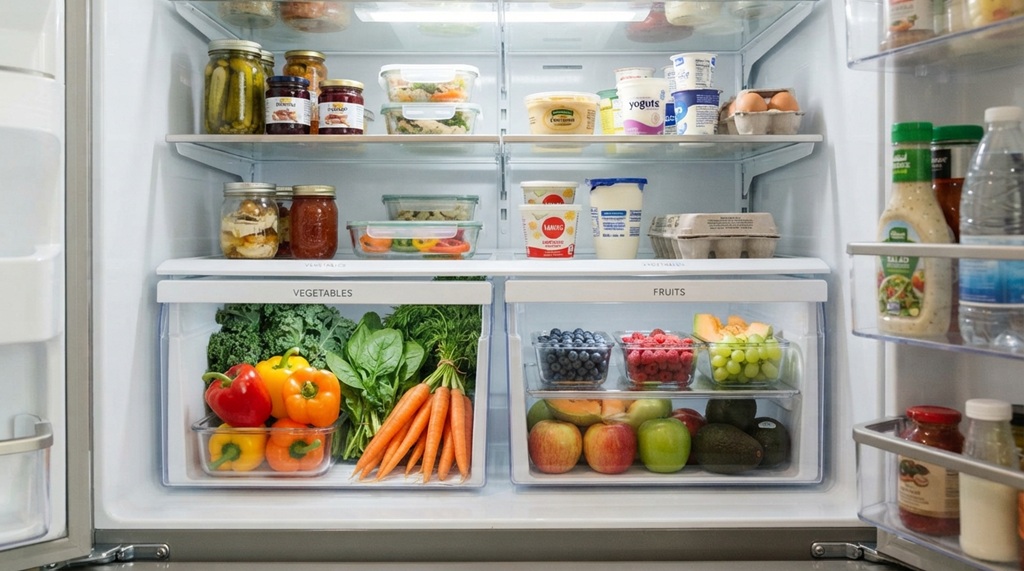
Most fridges have two crisper drawers: one for high humidity and one for low humidity. Leafy greens, herbs, and most vegetables belong in the high-humidity drawer. Fruits that release ethylene gas belong in the low-humidity drawer, separated from vegetables whenever possible.
Don’t Overcrowd the Fridge
Packed shelves block cold air from circulating evenly. This creates warm spots where vegetables spoil faster than expected. Leave small gaps between containers so air can move freely around your produce.
Keep Ethylene-Sensitive Produce Separated
Store leafy greens, broccoli, and herbs away from apples, tomatoes, and bananas. This one change alone can noticeably extend the life of your greens. A separate drawer or shelf works well if your fridge layout allows it.
A Storage Trick Most Guides Skip: The “Stem-Down Water Method”
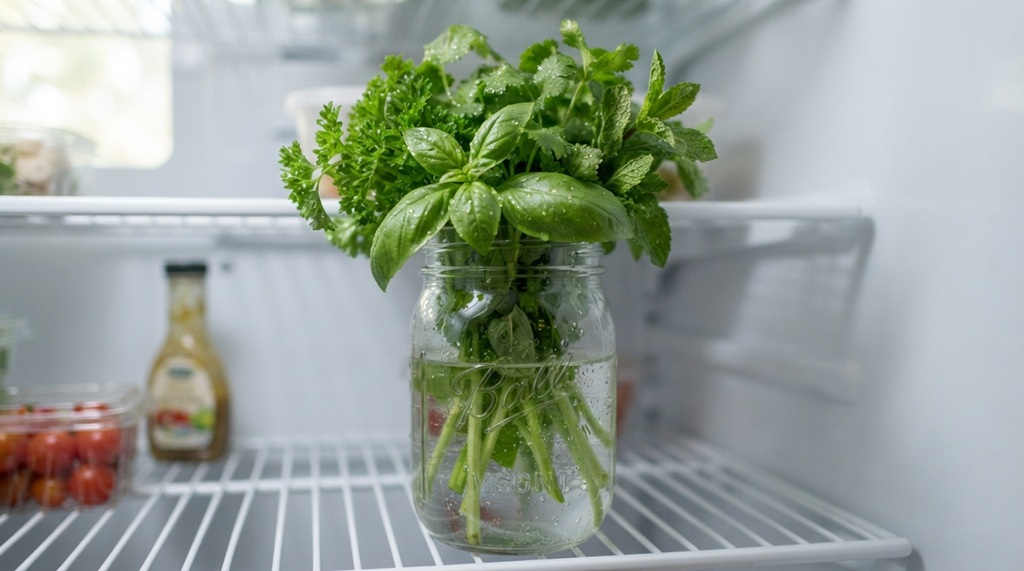
Treat certain vegetables like cut flowers, and they’ll last noticeably longer. Herbs like cilantro, parsley, and green onions last far longer when you trim the stems and stand them upright in a small jar of water, then loosely cover the tops with a plastic bag and refrigerate.
This method keeps the plant hydrated from the stem, the same way it absorbed water while still in the ground. Many people report herbs lasting two to three weeks longer this way compared to a standard bag in the crisper drawer. Asparagus responds well to the same trick, standing upright in an inch of water at the base.
Common Storage Mistakes That Speed Up Spoilage
Small habits often cause more damage than people expect. Avoiding these mistakes can make a noticeable difference in how long your vegetables stay fresh.
- Washing vegetables before storing them. Extra moisture on the surface speeds up mold growth. Wash produce right before you use it, not right after you buy it.
- Storing potatoes and onions together. Onions release gases that make potatoes sprout faster. Keep them in separate spaces.
- Sealing vegetables in fully airtight bags. Some airflow prevents condensation buildup, which is one of the leading causes of early spoilage.
- Ignoring the fridge temperature setting. A fridge set above 40°F (4°C) speeds up spoilage across the board. Keep a thermometer inside to check the real temperature, since built-in dials aren’t always accurate.
How Long Vegetables Typically Last With Proper Storage
Storage life varies by vegetable, but proper methods can extend freshness well beyond typical expectations.
| Vegetable | Fridge Life (Proper Storage) |
|---|---|
| Leafy greens | 1–2 weeks |
| Carrots | 3–4 weeks |
| Potatoes (pantry) | 4–8 weeks |
| Onions (pantry) | 4–8 weeks |
| Broccoli | 1–2 weeks |
| Peppers | 1–2 weeks |
| Herbs (water method) | 2–3 weeks |
These ranges come from general food-storage guidance used by home economics and food safety resources. Actual results depend on the vegetable’s freshness at purchase and your fridge’s consistency.
Frequently Asked Questions
Should I wash vegetables before storing them in the fridge?
No, washing before storage adds moisture that speeds up mold and decay. Wash vegetables right before you plan to cook or eat them instead.
Why do my vegetables go bad so fast even in the fridge?
This usually happens due to trapped moisture, overcrowding, or storing ethylene-sensitive vegetables near ethylene-producing fruit. Adjusting airflow and separating produce types often solves the problem.
Can I store all vegetables in the same drawer?
No, different vegetables have different humidity and temperature needs. Leafy greens and herbs do best in high-humidity drawers, while items like potatoes and onions should stay out of the fridge entirely.
Is it better to store vegetables in plastic or paper?
Paper generally works better for leafy greens because it absorbs excess moisture. Plastic bags work for other vegetables only when they have holes or are left slightly open for airflow.
How do I know if my fridge is too warm for proper storage?
Use a separate fridge thermometer rather than relying on the built-in dial, which isn’t always accurate. Your fridge should stay at or below 40°F (4°C) for safe, effective storage.
Final Thoughts
Storing vegetables properly comes down to three things: the right temperature, the right humidity, and the right neighbors in your fridge. Small changes, like drying greens before bagging them or keeping potatoes out of the cold, make a real difference in how long your produce stays fresh.
Try the stem-down water method for herbs, fix your crisper drawer setup, and separate ethylene-sensitive vegetables from ethylene producers. These small shifts can cut your food waste significantly and keep your kitchen stocked with fresher produce for longer.
