


You can use an Instant Pot safely by following three basics: never overfill it, always check the sealing ring, and release pressure the right way. Most Instant Pot accidents happen because of small, avoidable mistakes. The good news? Once you know what to watch for, this appliance is one of the safest tools in your kitchen.
Read more: How to Use an Instant Pot Safely Avoid Common MistakesInstant Pots have built-in safety features that most stovetop pressure cookers don’t have. But no safety feature works if you skip a step or rush the process. This guide walks you through exactly what to check, what to avoid, and what to do if something goes wrong.
Whether you just unboxed your first Instant Pot or you’ve had one for years, these tips will help you cook with confidence instead of anxiety.
Why Instant Pot Safety Matters More Than You Think
Instant Pots cook under high pressure, and that pressure needs somewhere to go. When it’s released the wrong way, or trapped by a clog, that’s when injuries happen. The appliance itself is well-designed. Most problems come from user error, not faulty equipment.
Common issues include hot liquid spraying out during quick release, lids that won’t open because pressure hasn’t fully escaped, and burn warnings caused by not enough liquid in the pot. None of these are rare “freak accidents.” They’re predictable, and every one of them is preventable with a little know-how.
The Built-In Safety Features You Should Know About
Your Instant Pot has several safety mechanisms working together. The lid won’t open until pressure inside drops to a safe level. There’s also a pressure release valve, an anti-blockage shield, and a lid position sensor that stops cooking if the lid isn’t locked correctly.
These features are great, but they only work if you don’t override them. Never force a lid open. Never remove the sealing ring to “speed things up.” Trust the design, and it will protect you.
Before You Cook: Essential Setup Checks for Safe Pressure Cooking
Most pressure cooking hazards stem from preventable setup errors made before heating even begins. Beyond basic prep, ensuring your equipment features modern, certified safety mechanisms such as built-in emergency release features is the true foundation of safe meal preparation. If you are upgrading your kitchen or sourcing trusted appliances locally, exploring where you can find reliable multicookers in Ohio will help you invest in high-performance units designed with multi-tiered safety protocols. Taking just a minute to inspect your machine’s sealing ring and valve before powering on eliminates nearly every common cooking mishap before it starts.
Always Add the Minimum Amount of Liquid
Instant Pots need liquid to create steam, and steam is what builds the pressure. Most models require at least one cup of liquid, though your manual may specify more depending on the size of your pot.
Skipping this step triggers the dreaded “burn” warning. It also risks scorching your food onto the bottom of the inner pot, which can damage the non-stick coating over time.
Never Fill Past the Max Line
Every Instant Pot has a max fill line printed inside the inner pot, and foods that expand (like rice, beans, or oats) need an even lower fill line, usually around the halfway mark. Overfilling blocks the steam release valve and can cause food to shoot out when you open the lid.
If you’re cooking something that foams or expands a lot, like pasta or broth-based soups, stick closer to half-full to be safe.
Check the Sealing Ring Before Every Use
The sealing ring is the rubber gasket that creates an airtight seal. A cracked, warped, or misplaced ring is one of the most common reasons pots fail to build pressure or leak steam.
Run your finger around the ring before each cook. It should sit snugly in its groove with no gaps. Replace it if you notice cracks, a burnt smell that won’t wash out, or visible warping.
During Cooking: What to Watch For
Once your Instant Pot is sealed and cooking, there’s not much for you to actively do, but a few habits will help you catch problems early.
Keep the pot on a flat, heat-safe surface with several inches of clearance on all sides. The steam that vents during cooking (and during release) is very hot, so keep it away from cabinets, walls, and anything you don’t want water-stained.
Don’t leave the kitchen entirely, especially the first few times you use a new recipe. While Instant Pots are designed to be low-maintenance, it’s smart to stay within earshot in case you hear unusual sounds, like a hissing that doesn’t stop or a rattling lid.
Releasing Pressure the Right Way
There are two main pressure release methods, and using the wrong one for a particular recipe is one of the most common Instant Pot mistakes.
Natural Release: When to Use It
Natural release means you let the pressure drop on its own, which can take anywhere from 10 to 30 minutes depending on how full the pot is. This method is gentler and works best for foods that can overcook easily, like rice, oatmeal, or large cuts of meat.
Natural release is also the safer option for foods with a lot of liquid, like soups or stocks, since it gives foam and liquid time to settle before you open the lid.
Quick Release: How to Do It Safely
Quick release means manually turning the valve to let steam escape fast. Always keep your hand and face away from the steam vent, and use a long utensil, like a wooden spoon, to flip the valve instead of your bare fingers.
Never do a quick release on foods that foam or expand a lot, like pasta, oatmeal, or beans. The rapid pressure change can force liquid up through the valve, creating a mess or a minor burn risk.
Never Force the Lid Open
If your lid won’t open, that means there’s still pressure inside, and this is your Instant Pot doing exactly what it’s supposed to do. Forcing it is the single most dangerous thing you can do with this appliance.
Instead, switch the valve to venting and wait a few extra minutes. If it still won’t budge, unplug the unit and let it sit for 15 to 20 minutes before trying again.
Cleaning and Maintenance Mistakes That Affect Safety
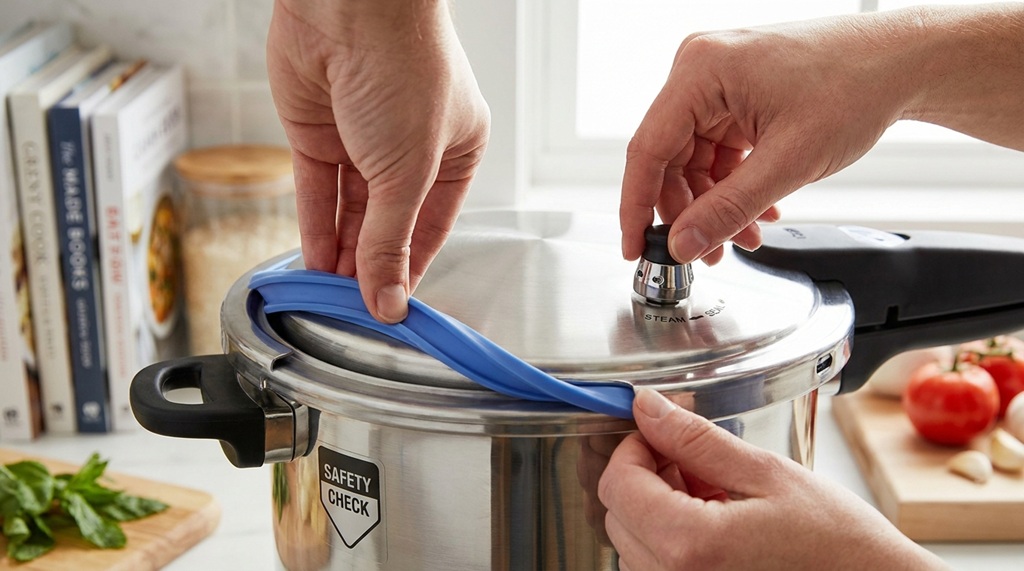
A poorly maintained Instant Pot doesn’t just perform worse, it also becomes less safe to use over time.
Clean the Anti-Block Shield Regularly
The small metal shield near the steam valve catches food particles so they don’t clog the release mechanism. A blocked shield can prevent proper pressure release, which is a real safety concern.
Pop it out and rinse it after each use, especially if you cooked something starchy or foamy. Most models let you remove this piece without any tools.
Inspect the Float Valve Often
The float valve is the small pin that rises when pressure builds and drops when it’s safe to open the lid. If it’s sticky, dirty, or stuck in the “up” position, the pot may seem pressurized even when it isn’t (or the reverse).
Wipe it down with a damp cloth after each use, and check that it moves freely up and down.
Replace the Sealing Ring Every 12–18 Months
Even with good care, sealing rings wear out. According to industry experts and manufacturer guidance, most rings need replacing after about a year of regular use, sooner if you use the pot several times a week.
An old, worn ring is a common reason pots stop building pressure correctly, which forces the cooking cycle to run longer than it should.
One Habit Most Guides Skip: Logging Your Cook Times
Here’s a tip you won’t find in most Instant Pot articles: keep a simple log of cook times, liquid amounts, and release methods for the recipes you make often. Write it right on a sticky note inside your cabinet, or use a notes app.
Why does this matter for safety? Because inconsistent results (undercooked food one week, a burn warning the next) are usually a sign that something changed. Maybe your liquid amount was off, or your sealing ring is starting to wear down. A quick log helps you spot the pattern before it becomes a bigger problem, and it also means you’re not guessing at settings every single time.
FAQ: Instant Pot Safety Questions
Is it normal for steam to leak from the sides of the lid?
A small amount of steam during the pressure-building phase is normal. But if steam continues leaking steadily once the pot reaches pressure, check your sealing ring for damage or improper placement.
Can an Instant Pot explode?
Modern Instant Pots have multiple safety mechanisms that make explosions extremely rare, unlike older stovetop pressure cookers. Most reported incidents happen when someone forces the lid open while pressure remains inside, so following proper release steps keeps this risk close to zero.
Why does my Instant Pot say “burn” on the display?
The burn warning appears when food or liquid overheats near the bottom of the pot, often from too little liquid or thick sauces settling on the base. Stop cooking, let the pot cool, stir the contents, add a bit more liquid, and scrape any stuck food from the bottom before restarting.
How long should I wait before opening the lid after cooking?
This depends on your release method: natural release can take 10 to 30 minutes, while quick release takes just a few minutes but requires caution. Never try to speed this up by forcing the lid, since the lock mechanism won’t disengage until pressure has dropped to a safe level.
Is it safe to leave an Instant Pot unattended while it cooks?
Instant Pots are designed for hands-off cooking and are generally safe to leave for short periods. That said, staying nearby during your first few uses of a new recipe helps you catch unusual sounds or smells before they become bigger issues.
Final Thoughts
Using an Instant Pot safely comes down to a handful of consistent habits: check your sealing ring, respect the fill lines, choose the right release method, and never force the lid. These small steps take seconds but prevent nearly every common accident.
Once these habits become second nature, your Instant Pot turns into one of the easiest, safest tools in your kitchen. Treat it with a little respect and regular care, and it will reward you with consistent, worry-free meals for years to come.
