


A noisy refrigerator usually means one of a few common problems. Most of the time, you can fix it yourself in under 30 minutes. No tools, no tech, no repair bill.
Read more: How to Fix a Noisy Refrigerator Before Calling a TechThis guide walks you through the exact steps to diagnose the noise and fix it. You’ll learn what each sound means, what to check first, and when the noise actually signals a real problem.
Let’s get your kitchen quiet again.
What Different Refrigerator Noises Mean
The sound your fridge makes tells you exactly where to look. Match your noise to the list below before you do anything else.
Buzzing or Humming
A light buzz or hum is normal. Your compressor and fan make this sound during regular operation. But if the hum gets loud or changes pitch, something is loose or blocked.
Rattling
Rattling almost always points to something touching the fridge that shouldn’t be. This could be loose items on top of the unit, or the fridge itself vibrating against a nearby wall or cabinet.
Clicking
Occasional clicking is normal. It happens when the compressor cycles on and off, or when the defrost timer switches modes. Rapid or constant clicking is not normal and needs attention.
Popping or Cracking
Pops and cracks usually happen as parts expand and contract with temperature changes. This is common in newer fridges and is rarely a cause for concern.
High-Pitched Squealing or Whining
A squeal or whine often means a fan motor is struggling. Dust, ice buildup, or a worn-out motor can all cause this sound.
Check the Fridge’s Leveling and Placement First
An unlevel fridge is one of the most common causes of unwanted noise. Fix this before checking anything else.
Use a level to check if your fridge sits evenly on the floor. If one side sits higher than the other, adjust the leveling legs at the bottom front corners. Most models let you turn these by hand or with a wrench.
Next, check the space around your fridge. Refrigerators need at least an inch of clearance on all sides to prevent vibration against walls or cabinets. Pull the fridge out slightly if it sits too close.
Finally, look at the floor itself. Soft or uneven flooring can cause a stable-looking fridge to rock slightly during operation. This creates a rattling or buzzing sound over time.
Clean the Condenser Coils and Fan
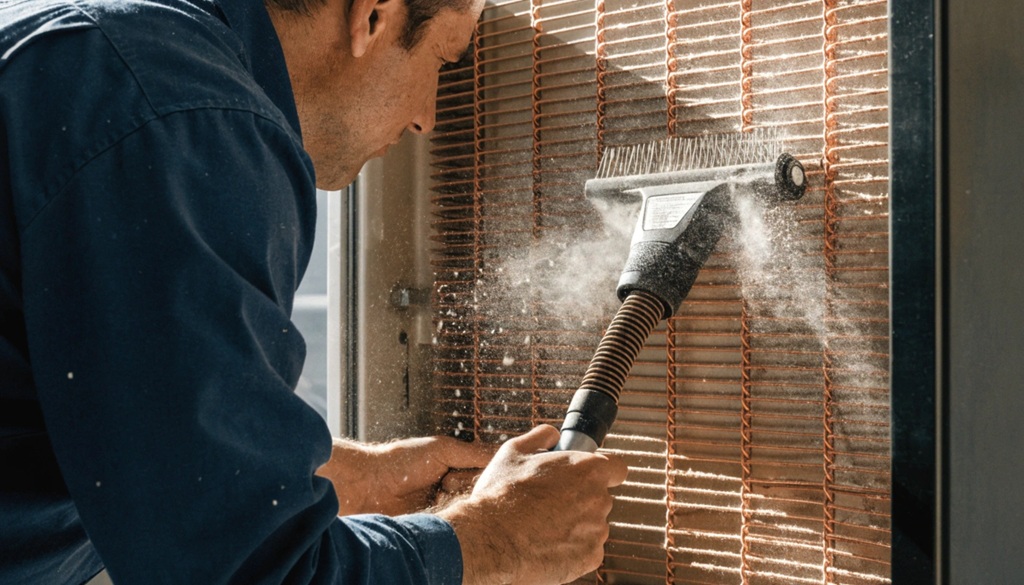
Dirty coils force your compressor and fan to work harder, which creates extra noise. This is one of the easiest fixes on this list.
- Unplug the refrigerator first.
- Locate the coils. They’re usually on the back of the unit, or behind a bottom front panel.
- Vacuum the coils with a brush attachment to remove dust and pet hair.
- Wipe down the surrounding area before plugging the fridge back in.
Industry experts recommend cleaning your coils every six months, or more often if you have pets. This single habit can quiet your fridge and extend its lifespan.
Check What’s Stored Inside and On Top
Sometimes the noise isn’t coming from the fridge’s mechanics at all. Items inside or on top of the unit can rattle every time the compressor kicks on.
Open the fridge and check if bottles, jars, or containers are touching each other. Loose glass items clink together with even small vibrations. Rearrange them so nothing touches.
Now check the top of your fridge. Magnets, boxes, or small appliances stored up there can shift and buzz against the surface. Clear the top completely and see if the noise stops.
Don’t forget the freezer drawer or bin. A loose ice bin can rattle against its housing every time the fridge cycles.
Troubleshooting the Evaporator Fan and Ice Maker
If the unusual sound originates directly from inside the freezer compartment, the evaporator fan or the automatic ice maker is almost certainly responsible. Frost buildup around the fan blades often creates a harsh clicking or squealing noise, while a jammed harvesting mechanism in the ice maker can cause a steady, continuous hum. Safely inspecting these internal components takes only a few minutes and frequently resolves the issue before you need a professional repair. Once you’ve restored peace to your kitchen, you might also consider elevating the rest of your culinary routine—if you’re looking to upgrade your countertop setup, explore where you can find reliable multicookers in Ohio for seamless meal preparation.
Evaporator Fan Issues
The evaporator fan sits behind the back panel inside your freezer. Ice buildup on the fan blades causes a loud grinding or squealing sound. Unplug the fridge, remove the back panel, and check for frost or ice around the fan. If you see buildup, let the freezer sit unplugged for a few hours to thaw it out completely.
Ice Maker Issues
A worn-out ice maker motor can create a grinding or knocking sound during the fill cycle. Check if the noise happens specifically when the ice maker is filling or dispensing. If it does, the ice maker module itself may need replacing, which is a simple part swap on most models.
When the Noise Means You Need a Repair Tech
Some noises signal a real mechanical problem that DIY fixes won’t solve. Here’s how to know the difference.
Call a technician if you notice any of the following:
- A loud grinding sound coming from the compressor area, especially if it doesn’t fade after cleaning the coils
- The fridge stops cooling properly alongside the noise
- You smell burning or see any smoke
- The noise gets progressively louder over several days despite your fixes
- The compressor runs constantly without ever shutting off
A failing compressor is the most expensive fridge repair, and it’s not a DIY job. If you’ve tried the steps above and the noise persists, that’s your sign to call a professional before the problem gets worse.
One Overlooked Fix: Check Your Water Line Connection
Most guides skip this step, but it fixes more noise complaints than people expect. If your fridge has a water and ice dispenser, a loose or kinked water line can create a vibrating or buzzing sound near the back of the unit.
Pull the fridge out and check where the water line connects to the wall valve and to the back of the fridge. A line that’s too tight, kinked, or rubbing against the fridge’s back panel will vibrate every time water flows through it, especially during ice-making cycles.
Loosen the line slightly and reroute it so it has a little slack. This small adjustment solves a surprising number of “mystery” buzzing complaints that have nothing to do with the compressor at all.
Frequently Asked Questions
Why does my refrigerator suddenly sound louder than usual?
A sudden increase in noise usually means dirty coils, an unlevel fridge, or ice buildup on the evaporator fan. Start with the coils and leveling legs, since these are the quickest fixes. If the noise remains loud after these checks, inspect the evaporator fan for ice.
Is it normal for a refrigerator to click when it turns on or off?
Yes, a single click at the start or end of a cooling cycle is completely normal. This happens when the compressor or defrost timer switches on or off. Rapid, repeated clicking is not normal and should be checked further.
Can a noisy refrigerator use more electricity?
Yes, in some cases. A fridge working harder due to dirty coils or a failing fan often uses more energy to maintain temperature. Cleaning the coils and fixing mechanical issues can lower both noise and your energy bill.
How much does it cost to fix a noisy refrigerator?
DIY fixes like cleaning coils or leveling the fridge cost nothing. If a technician is needed, most repairs for fans or ice makers run between $150 and $350, according to industry estimates. Compressor repairs cost significantly more and sometimes cost as much as replacing the fridge.
Should I unplug my fridge before checking the noise?
Yes, always unplug the fridge before inspecting coils, fans, or internal panels. This protects you from electrical shock and keeps moving parts like the fan blades from injuring your hands during inspection.
Final Thoughts
Most noisy refrigerator problems come down to five things: leveling, dirty coils, loose items, ice buildup, or a loose water line. Work through these checks in order, and you’ll likely find the source within 30 minutes.
Save the repair call for noises tied to cooling failure, burning smells, or a compressor that won’t stop running. For everything else, these simple fixes should bring your kitchen back to a peaceful quiet.
