
If you have ever stood in a cookware aisle feeling confused, you are not alone. The debate around saucepan vs saucier comes up more than you might expect, even among experienced home cooks. According to a 2023 survey by the Specialty Food Association, over 60% of American home cooks admit they own cookware they do not fully understand how to use. Choosing the right pan can seriously upgrade your cooking results, reduce frustration, and save you money in the long run. This guide breaks down every key difference so you can finally make the right call.
What Is a Saucepan?
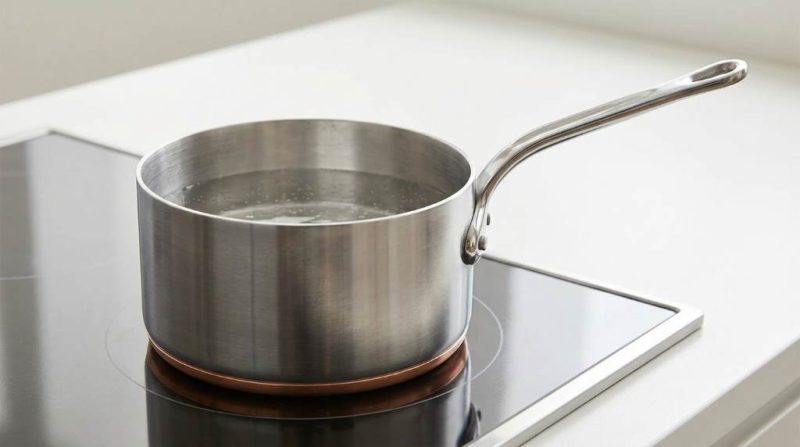
A saucepan is one of the most common pots found in kitchens across the country. It features straight, vertical sides, a flat bottom, and a long handle on one side. Most saucepans also come with a tight-fitting lid, which helps trap steam and heat efficiently. They typically range in size from one quart to four quarts, making them versatile for everyday cooking tasks.
Key Features of a Saucepan
- Straight, vertical walls that minimize evaporation
- A flat, wide base for even heat distribution
- A long handle for easy maneuvering on the stovetop
- A lid that seals in moisture and heat
- Available in stainless steel, nonstick, enameled, and copper materials
Saucepans work best for boiling water, cooking pasta, making rice, heating canned soups, and simmering broths. The straight sides make them ideal whenever you want to reduce liquids slowly without worrying about splashing. Because the walls are tall and upright, evaporation is naturally limited during the cooking process. This design also makes them easy to store and stack neatly in a cabinet.
What Is a Saucier?
A saucier, also called a Windsor pan or curved saucepan, has a rounded, sloped interior. It looks similar to a saucepan at a glance, but the curved walls change everything about how it performs. Professional chefs have used sauciers for centuries to create smooth, emulsified sauces with remarkable ease. The open shape encourages faster evaporation, which helps concentrate flavors beautifully.
Key Features of a Saucier
- Rounded, sloping sides that curve outward at the top
- A wider opening that promotes evaporation and sauce reduction
- Easy access for whisking, stirring, and folding
- No sharp corners where food can stick or burn
- Often sold without a lid because open cooking is part of its purpose
The saucier shines when you are making béchamel, hollandaise, risotto, custards, puddings, and pan sauces. Its curved base allows a whisk to reach every corner of the pan without missing any spots. This prevents scrambling eggs in a custard or leaving lumps in a sauce. Furthermore, the sloped sides make it much easier to fold ingredients smoothly without pulling them apart.
Saucepan vs Saucier: The Core Differences
Understanding the saucepan vs saucier distinction comes down to shape and purpose. Both pans handle liquid-based cooking, but they do it in very different ways. The saucepan controls moisture and retains heat, while the saucier encourages movement, evaporation, and smooth texture. Choosing one over the other depends entirely on what you cook most often at home.
Shape and Wall Design
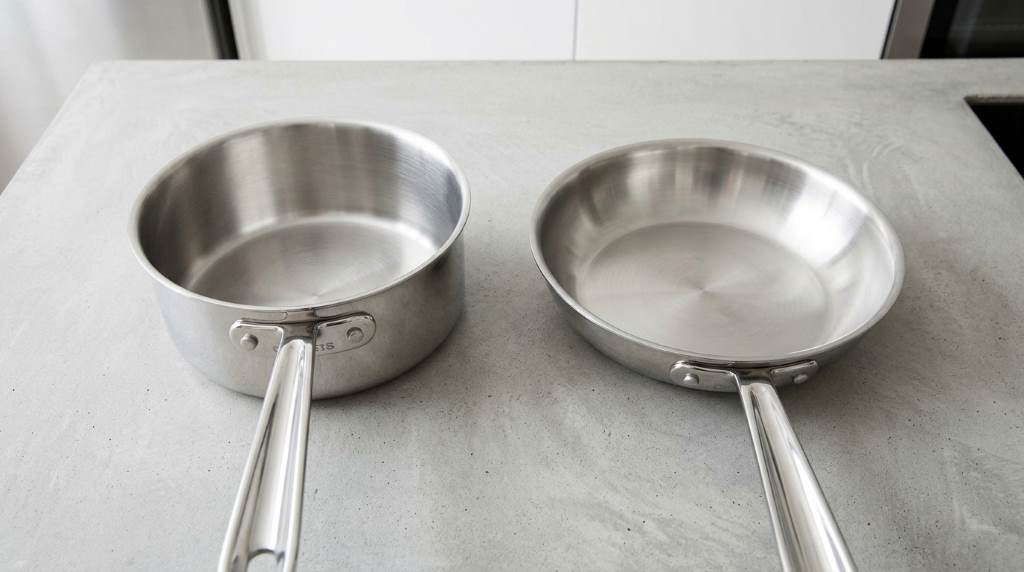
The most obvious difference is the wall angle. A saucepan has perfectly straight sides that rise vertically from the base. A saucier has curved, sloping sides that flare outward toward the top opening. That small physical difference creates a big functional gap between the two pans. The saucier’s open shape invites more stirring, whisking, and manual blending throughout the cooking process.
Evaporation and Reduction
Saucepans are designed to minimize evaporation thanks to their tall, straight walls. This makes them perfect for tasks where you want to preserve liquid volume, like cooking grains or boiling vegetables. Sauciers, on the other hand, actively promote evaporation because of their wider, open top surface. This is exactly what you want when reducing a wine sauce or thickening a cream-based dish.
Ease of Whisking and Stirring
Whisking inside a saucepan can be awkward because the corners trap food and resist smooth circular motion. A saucier removes this problem entirely with its rounded, cornerless interior. Every stroke of your whisk or spoon reaches the full bottom surface without snagging. As a result, sauces come out silkier and more consistent with far less physical effort.
Heat Control and Responsiveness
Both pans conduct heat effectively, but the saucier responds to temperature changes faster due to its thinner walls and wider surface area. This makes it slightly more sensitive to high heat, so you need to pay closer attention while cooking. Saucepans tend to hold steady temperatures more consistently because of the enclosed shape. Therefore, saucepans are slightly more forgiving for beginners working with high-heat recipes.
When to Choose a Saucepan
A saucepan is the right tool when your goal is to boil, steam, or simmer with steady, controlled heat. It handles everything from pasta water to hot cocoa without any fuss. If you regularly cook grains like quinoa, farro, or rice, a saucepan will give you the most reliable results. Its lidded design also makes it useful for keeping food warm on the stovetop before serving.
Choose a saucepan for:
- Boiling water, pasta, eggs, and vegetables
- Cooking rice, grains, and cereals
- Warming soups, stews, and canned goods
- Making simple syrup, caramel, or candy
- Steaming with a basket insert
When to Choose a Saucier
A saucier becomes your best friend when precision and texture matter most in a recipe. It is the pan of choice for any dish that requires constant attention and active stirring. If you enjoy making French mother sauces, risotto, or polenta from scratch, a saucier will dramatically improve your results. Its smooth, curved walls are simply better engineered for this kind of delicate, hands-on cooking.
Choose a saucier for:
- Hollandaise, béchamel, and velouté sauces
- Risotto, polenta, and creamy grits
- Pastry cream, custard, and curd
- Pan drippings and reduction sauces
- Melting chocolate or tempering eggs
Can One Pan Replace the Other?
In the saucepan vs saucier conversation, many cooks wonder if they really need both. The honest answer is that they overlap in some areas but excel in very different ones. You can technically make a sauce in a saucepan, but you will work harder and get less smooth results. Similarly, you can boil pasta in a saucier, but the wider opening means more steam loss and energy waste.
If budget or cabinet space is limited, start with a high-quality saucepan since it handles more everyday tasks. Once you discover a love for sauce-making or custard cooking, adding a saucier to your collection will feel like a natural next step. Many serious home cooks eventually own both because each one fills a role the other simply cannot. Investing in both is one of the smartest long-term decisions you can make for your kitchen.
Material and Size Recommendations
For a saucepan, stainless steel with an aluminum core (also called tri-ply or clad) offers the best balance of durability and heat distribution. A three-quart model covers most everyday cooking needs for households of two to four people. Nonstick versions are great for oatmeal and delicate items, but they wear faster under high heat. Avoid thin, single-layer stainless pans because they create hot spots that scorch food.
For a saucier, copper is the gold standard in professional kitchens because of its extraordinary heat responsiveness. However, a quality stainless clad saucier works beautifully at a much lower price point. A two-quart size is ideal for most sauce recipes and fits comfortably on any standard burner. Look for a rounded interior with no seams or ridges that could trap food during stirring.
Caring for Each Pan
Both pans benefit from hand washing with mild soap and a soft sponge to preserve their finish. Avoid using abrasive scrubbers on any interior cooking surface, especially stainless steel, as scratches can affect performance over time. Let both pans cool down before washing to prevent warping from sudden temperature changes. With proper care, a high-quality saucepan or saucier can last well over a decade of regular use.
Conclusion
The saucepan vs saucier debate does not have a single winner because both tools serve genuinely different purposes. A saucepan handles everyday boiling and simmering tasks with efficiency and ease. A saucier elevates sauce-making, custards, and creamy dishes to a whole new level of quality. Understanding what each pan does best is the key to building a kitchen collection that truly works for you.
Start with a saucepan if you are building your cookware from scratch, and add a saucier once you feel ready to explore more technique-driven recipes. Browse trusted cookware brands like All-Clad, Made In, or Cuisinart to find options that match your cooking style and budget. Your cooking will noticeably improve the moment you match the right pan to the right task. Take action today and upgrade the tool that is holding your meals back the most.
Frequently Asked Questions
Can I use a saucier instead of a saucepan for boiling pasta?
You can, but the wider, open top of a saucier causes more steam loss and wastes more energy than a straight-sided saucepan.
Is a saucier only for professional chefs?
Not at all, as any home cook who enjoys making sauces, risotto, or custards will benefit greatly from using a saucier.
Which pan is better for making risotto?
A saucier is better for risotto because its curved walls allow constant, even stirring that releases starch smoothly for a creamy result.
Do I need a lid for a saucier?
Most sauciers are designed for open cooking without a lid since the wide opening promotes evaporation, which is central to how the pan works.
What size saucepan should a beginner buy first?
A three-quart saucepan is the most versatile starting size for most households, covering everything from pasta to soups to grains.