

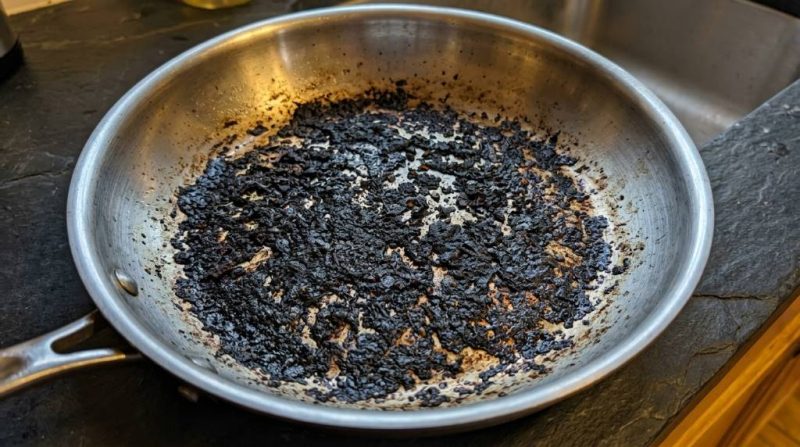
Every home cook has faced a pan that looks beyond saving. According to a survey by the American Cleaning Institute, nearly 68% of households struggle with stubborn burnt residue on cookware at least once a month. Learning how to clean a burnt stainless steel pan not only saves your cookware but also extends its lifespan significantly. Stainless steel is durable, but burnt food can make it look ruined. The good news is that with the right techniques, you can restore your pan to a near-original shine without spending a dime on new cookware.
Why Stainless Steel Pans Burn So Easily
Stainless steel conducts heat unevenly, which makes certain spots hotter than others. When you walk away from the stove or forget to stir, food sticks and burns onto the surface. Unlike non-stick pans, stainless steel has a porous surface that grips burnt residue tightly. Understanding this helps you choose the right cleaning method. Fortunately, the same durability that makes stainless steel burn-prone also makes it highly resistant to harsh cleaning treatments.
What You Should Know Before You Start Cleaning
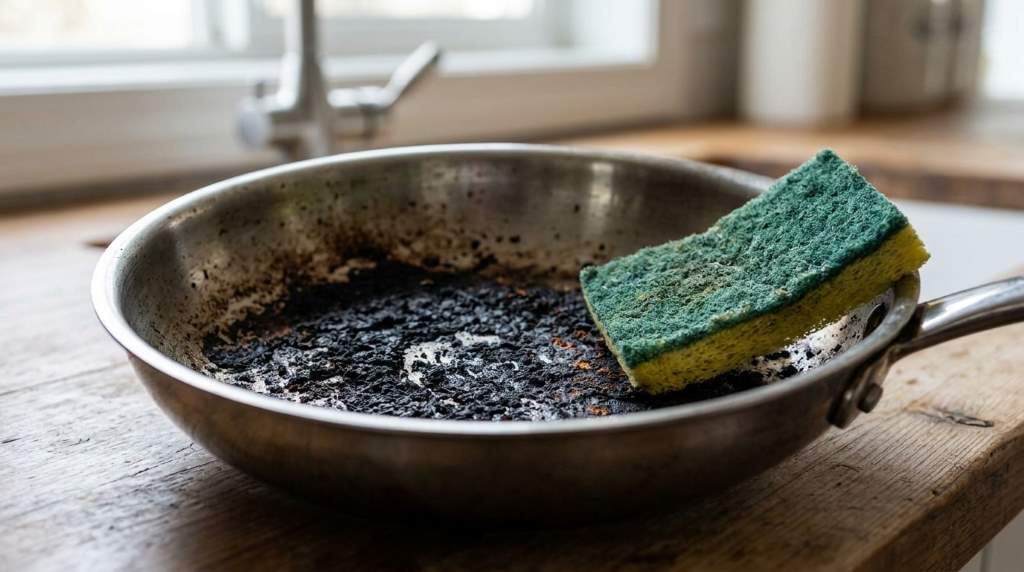
Before jumping into scrubbing, always let the pan cool down completely. Pouring cold water into a hot pan can warp the metal due to thermal shock. Additionally, avoid using steel wool right away, as it can scratch the surface permanently. Gather your cleaning supplies first so you can work efficiently. The tools you need are likely already sitting in your kitchen cabinet.
Supplies You Will Need
- Baking soda
- White vinegar
- Dish soap
- A wooden spoon or silicone spatula
- A non-scratch scrubbing pad
- Lemon (optional)
- Cream of tartar (optional)
- Bar Keepers Friend (optional)
Method 1: The Boiling Water and Dish Soap Technique
This is the simplest first step for lightly burnt pans. Fill the pan with enough water to cover the burnt area, then add two drops of dish soap. Place the pan on the stove and bring the water to a gentle boil for five to ten minutes. The heat loosens the burnt layer from the bottom. After boiling, let it cool slightly, then scrape gently with a wooden spoon to lift the residue.
Method 2: Baking Soda and Vinegar Power Combo
This method works brilliantly for moderate to heavy burns. First, pour a thin layer of white vinegar into the pan and heat it briefly on the stove. Then remove the pan from heat and add two tablespoons of baking soda. The mixture will fizz vigorously, which is the chemical reaction breaking down the burnt residue. Let it sit for fifteen minutes, then scrub with a non-scratch pad in circular motions.
Why This Combination Works So Well
Vinegar is acidic and breaks down mineral deposits and burnt sugars effectively. Baking soda is mildly abrasive and alkaline, which neutralizes odors and lifts grease. Together, they create a powerful scrubbing paste without damaging the steel surface. This duo is also completely non-toxic and safe for food contact surfaces. Many professional kitchen staff rely on this exact combination daily.
Method 3: Baking Soda Paste Scrub
Sometimes a targeted paste works better than a liquid soak. Mix three tablespoons of baking soda with just enough water to form a thick paste. Apply it directly to the burnt area and let it sit for at least thirty minutes. Then scrub firmly but carefully using a non-scratch pad. Rinse thoroughly with warm water, and repeat if needed for stubborn spots.
Method 4: Cream of Tartar Method for Deep Burns
Cream of tartar is an underrated powerhouse for tackling severe burns. Combine two tablespoons of cream of tartar with one cup of water inside the pan. Bring the solution to a boil and let it simmer for ten minutes. The tartaric acid targets even the most deeply embedded residue. After cooling, scrub the pan and rinse well with warm soapy water.
Method 5: Using Bar Keepers Friend for Tough Cases
Bar Keepers Friend is a popular commercial cleaner that works exceptionally well on stainless steel. Sprinkle a small amount directly onto the wet pan surface. Use a damp non-scratch pad to scrub in the direction of the steel’s grain. This product contains oxalic acid, which dissolves rust, tarnish, and burnt residue effectively. Always rinse thoroughly after use to remove any chemical residue.
Important Safety Tips When Using Commercial Cleaners
Never mix Bar Keepers Friend with bleach or ammonia-based cleaners. Always wear rubber gloves to protect your hands during scrubbing. Rinse the pan at least twice to ensure no cleaner remains on the surface. Keep the cleaner away from children and store it in a cool, dry place. Using it occasionally rather than regularly helps protect the pan’s finish over time.
How to Clean a Burnt Stainless Steel Pan With Lemon and Salt
This natural method is perfect when you prefer chemical-free cleaning. Cut a lemon in half and dip the cut side into coarse salt. Rub it directly over the burnt area using firm, circular pressure. The citric acid in the lemon combines with the abrasive salt to lift burnt residue gently. This method also leaves your pan smelling fresh and clean afterward.
How to Prevent Your Stainless Steel Pan from Burning Again
Prevention is always easier than cleaning after the fact. Always preheat the pan properly before adding oil or food to the surface. Use medium heat settings rather than cranking up the burner to high. Add a small amount of butter or oil before placing food in the pan. Stirring food frequently during cooking significantly reduces the chance of burning and sticking.
Best Cooking Practices for Stainless Steel
- Preheat on medium heat for two minutes before adding oil
- Use enough fat to coat the entire cooking surface
- Avoid overcrowding the pan with too much food at once
- Deglaze the pan immediately after cooking to lift any residue
- Always wash the pan promptly after it cools down
Common Mistakes People Make When Cleaning Burnt Pans
Many people make the mistake of using steel wool, which permanently scratches the surface. Others try to scrub while the pan is still hot, which can warp the base. Some people skip the soaking step and go straight to aggressive scrubbing, which rarely works well. Using bleach-based cleaners can actually discolor stainless steel permanently. Therefore, sticking to the methods above gives you the best results with the least risk.
How to Restore Shine After Deep Cleaning
Once you remove the burnt residue, your pan may still look dull or discolored. Rub a small amount of olive oil onto the surface with a soft cloth to restore its luster. For rainbow discoloration caused by heat, white vinegar applied with a cloth works perfectly. Rinse and dry the pan completely to prevent water spots from forming. Consistent care after each use keeps your stainless steel looking polished and professional.
Conclusion: Save Your Pan and Skip the Stress
Now that you know exactly how to clean a burnt stainless steel pan, there is no reason to throw away a perfectly good piece of cookware. Whether you use baking soda, vinegar, lemon, or a commercial cleaner, each method delivers real, proven results. Start with the gentlest option and work your way up if needed. Share these tips with a friend who has struggled with the same problem. Try one of these methods today and give your pan a second life it truly deserves.
Frequently Asked Questions
Can I use steel wool to clean a burnt stainless steel pan?
No, steel wool scratches the surface permanently and should be replaced with a non-scratch scrubbing pad.
How long should I soak a burnt stainless steel pan?
Soaking for at least fifteen to thirty minutes loosens most burnt residue and makes scrubbing much easier.
Is it safe to boil vinegar in a stainless steel pan?
Yes, boiling white vinegar in stainless steel is completely safe and actually helps dissolve burnt food and mineral deposits.
Will baking soda scratch my stainless steel pan?
No, baking soda is a mild abrasive that is gentle enough to clean stainless steel without causing surface scratches.
Can a heavily burnt stainless steel pan be fully restored?
Yes, using the baking soda and vinegar method or Bar Keepers Friend can restore even heavily burnt pans to near-original condition.