

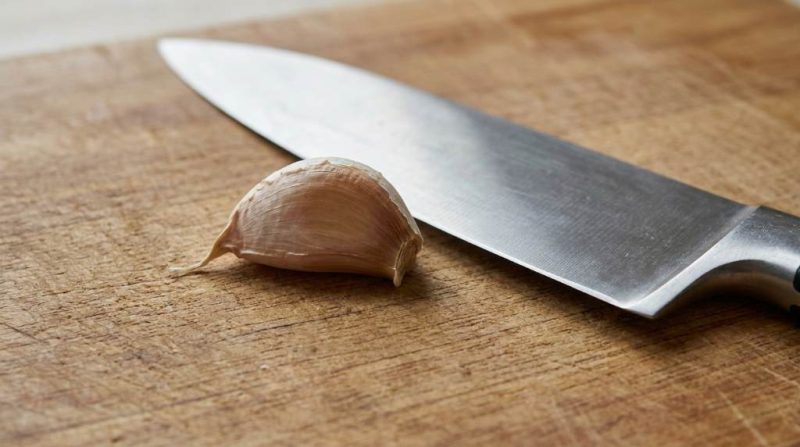
Garlic is one of the most used ingredients in American kitchens, appearing in over 90% of savory recipes worldwide. Yet many home cooks struggle with mincing it properly, especially without a garlic press. Learning how to mince garlic without a press saves you money, reduces kitchen clutter, and gives you better control over texture and flavor. Whether you are making pasta, stir-fry, or roasted vegetables, freshly minced garlic elevates every dish. This guide walks you through every reliable method so you can mince like a pro using tools you already own.
Why Skip the Garlic Press?
A garlic press seems convenient, but it actually has several drawbacks that many chefs dislike. It crushes garlic unevenly and can leave a bitter, overly sharp flavor in your food. Cleaning the tiny holes afterward is also time-consuming and frustrating. Knowing how to mince garlic without a press gives you finer control and better results every single time.
The Problem With Garlic Presses
Garlic presses squeeze the clove through small holes, which bruises the cell walls and releases excess moisture. This extra moisture can cause garlic to steam rather than sauté properly in the pan. The result is often a pasty texture that does not distribute evenly throughout a dish. Professional chefs almost universally prefer hand-mincing for this exact reason.

Benefits of Hand-Mincing Garlic
Hand-mincing produces uniform, dry pieces that brown beautifully and release flavor gradually. You can control the fineness of the mince based on the specific dish you are preparing. Coarse mince works well in stews, while ultra-fine mince suits sauces and dressings perfectly. Additionally, hand-mincing requires no special equipment and takes only about 60 to 90 seconds once you learn the technique.
Essential Tools You Already Have
You do not need fancy gadgets to mince garlic effectively at home. Most of the best methods rely on a sharp chef’s knife and a stable cutting board. A pinch of salt, a fork, a microplane grater, or even a zipper bag can also get the job done. Therefore, your existing kitchen setup is more than enough to handle any garlic task.
Method 1: The Classic Chef’s Knife Technique
This is the gold standard method that professional cooks use in every kitchen around the world. It produces a perfectly fine, evenly sized mince with minimal effort. Once you practice this a few times, it becomes second nature and takes under two minutes. This is the most recommended approach when learning how to mince garlic without a press.
Step-by-Step Instructions
Start by placing the flat side of your knife over the unpeeled garlic clove and pressing firmly with your palm. The skin will slip right off, and the clove will be slightly flattened. Next, make a series of thin lengthwise slices through the clove without cutting all the way to the root end. Then rotate the clove 90 degrees and make crosswise cuts to create a rough chop. Finally, rock your knife over the pile in a fan motion, gathering and repeating until you reach your desired fineness.
The Salt Paste Trick
Once you have a rough chop, sprinkle a small pinch of coarse salt over the garlic. Use the flat side of your knife to smear and drag the garlic across the board repeatedly. The salt acts as an abrasive and breaks down the garlic into a smooth, spreadable paste. This technique is ideal for Caesar dressing, aioli, garlic butter, and marinades.
Method 2: Using a Microplane or Fine Grater
A microplane grater is one of the fastest and most efficient tools for mincing garlic into an ultra-fine texture. Simply peel the clove and run it across the microplane in short, downward strokes. The result is an almost liquid paste that blends seamlessly into sauces, dressings, and soups. Furthermore, this method keeps your hands cleaner and produces very consistent results with almost no effort.
Method 3: Fork Mincing Method
This method works surprisingly well when you do not have a sharp knife nearby. Press a peeled garlic clove firmly against the tines of a fork and drag it downward across the surface. Rotate and repeat from different angles to break the clove down into fine pieces. This approach is especially handy for quick cooking tasks or when you are working in a minimally equipped kitchen.
Method 4: Mortar and Pestle Method
A mortar and pestle produces a deeply aromatic, paste-like mince that is ideal for recipes like pesto, curry paste, and garlic-herb rubs. Place the peeled clove in the mortar with a small pinch of salt and begin crushing it in circular motions. The rough surface of the mortar grinds the garlic into a smooth, fragrant paste within about 30 seconds. This is an excellent method when you want maximum flavor extraction from your garlic.
Method 5: The Zipper Bag and Rolling Pin Method
This method is perfect for those who want to avoid any direct contact with garlic due to its strong scent. Place a few peeled cloves into a sturdy zipper bag and seal it tightly after removing excess air. Use a rolling pin or the bottom of a heavy pan to pound and roll the cloves through the bag. Then open the bag and use a knife to finish chopping the crushed pieces into a finer mince.
Tips for Buying and Storing Garlic
Fresh garlic always produces better flavor than pre-minced jarred versions. Choose bulbs that feel firm and heavy with tight, dry skin and no green sprouts. Store whole bulbs in a cool, dry, well-ventilated spot away from direct sunlight for up to two months. Once you break a bulb apart, use individual cloves within 10 days for the best flavor results.
How to Peel Garlic Faster
Place unpeeled cloves in a metal bowl, cover with another bowl of the same size, and shake vigorously for about 15 seconds. The friction loosens and removes the skin instantly, leaving perfectly clean cloves ready for mincing. Alternatively, you can use the microwave method by heating a whole unpeeled bulb for 20 seconds to loosen each clove’s skin. Both approaches save significant time when you need to peel a large quantity at once.
Common Mistakes to Avoid
Many cooks make avoidable errors that affect both flavor and texture when preparing garlic. Using a dull knife is the most common mistake, as it crushes rather than slices the garlic cleanly. Skipping the peeling step or working with old, sprouted garlic will also produce a bitter, unpleasant taste. Always mince garlic fresh just before cooking to preserve its volatile aromatic compounds and full flavor.
How to Mince Garlic Without a Press for Different Dishes
Different dishes actually call for different levels of garlic fineness, and understanding this distinction improves your cooking significantly. For pasta sauces and soups, a medium mince distributes flavor evenly without overpowering the dish. For raw applications like salad dressings or dips, a fine paste blends more smoothly into the other ingredients. Meanwhile, a coarser chop suits slow-cooked braises and roasted dishes where garlic mellows gradually over time.
Conclusion
Once you practice these methods a few times, you will wonder why you ever relied on a garlic press at all. Knowing how to mince garlic without a press makes you a more versatile, confident, and skilled cook in the kitchen. Each method covered here produces excellent results depending on the dish, your tools, and the time you have available. Start with the classic chef’s knife technique, and then explore the others to find your personal favorite. Try one of these methods in your next meal today and taste the difference that proper garlic preparation makes.
Frequently Asked Questions
Can I mince garlic ahead of time and store it?
Yes, you can store freshly minced garlic in an airtight container in the refrigerator for up to one week.
Is minced garlic from a jar as good as fresh?
No, jarred minced garlic is significantly less flavorful because it loses its volatile aromatic compounds over time during processing.
What is the fastest way to mince garlic without a press?
Using a microplane grater is the fastest method and produces an ultra-fine, evenly minced result in seconds.
How do I get rid of garlic smell on my hands?
Rub your hands against stainless steel under cold running water for about 30 seconds, which neutralizes the odor-causing compounds.
Why does my minced garlic turn green?
Garlic turns green due to a chemical reaction between its sulfur compounds and trace metals or acids, and it is completely safe to eat.