

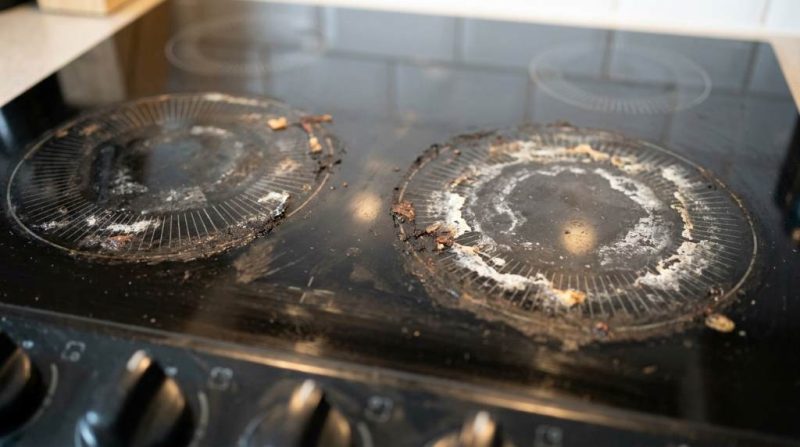
Keeping an electric stove top clean improves kitchen safety and cooking performance. According to household cleaning studies, Americans spend over six hours weekly cleaning their homes. Additionally, kitchen surfaces collect more bacteria than many other household areas. Therefore, learning proper stove top cleaning techniques protects your appliance and supports a healthier cooking environment.
Many homeowners avoid cleaning electric stove tops because they fear causing damage. However, the correct methods make cleaning safe and straightforward. This guide explains every step clearly and practically. You will also learn how to prevent future buildup.
Why Regular Electric Stove Top Cleaning Matters
Regular cleaning extends the life of your electric stove top. It also helps maintain efficient heat transfer during cooking. Furthermore, clean surfaces reduce smoke and unpleasant odors. Consequently, your kitchen remains safer and more comfortable.
Grease and food residue harden over time. As a result, cleaning becomes more difficult later. Frequent maintenance prevents stubborn buildup. Therefore, experts recommend cleaning after every major cooking session.
Gather the Right Cleaning Supplies
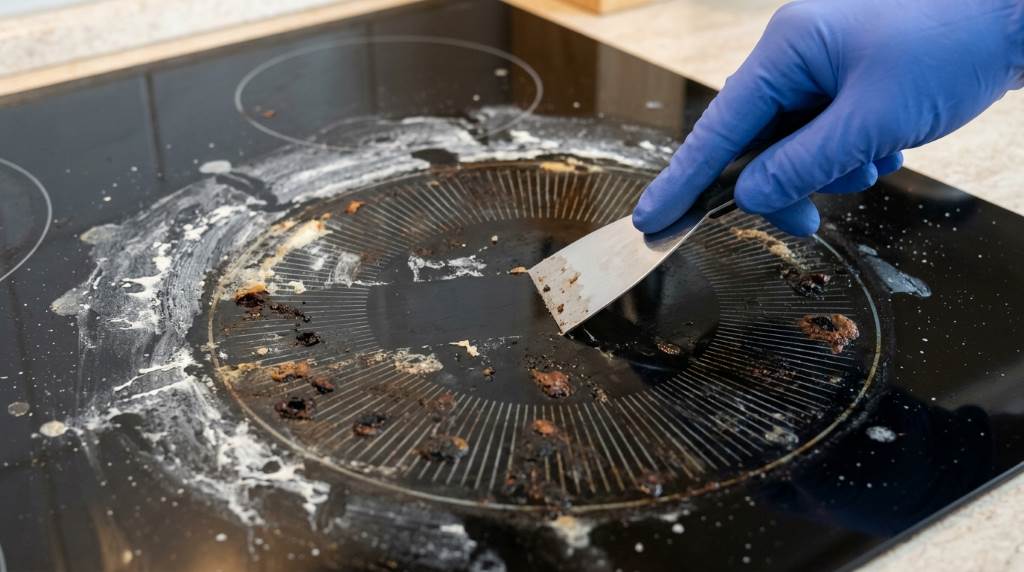
Before starting, collect all necessary cleaning materials. Using appropriate products prevents scratches and surface damage. Additionally, proper tools make cleaning faster. Preparation always improves results.
You may already use similar techniques when cleaning cookware. For example, many homeowners apply methods from clean burnt stainless steel guides for stubborn residue removal. However, electric stove tops require gentler handling. Therefore, select products carefully.
Recommended supplies include:
- Microfiber cloths
- Soft sponge
- Dish soap
- Baking soda
- White vinegar
- Plastic scraper
- Warm water
- Paper towels
Avoid steel wool and abrasive scrubbers. These materials can permanently scratch surfaces. Instead, choose soft cleaning tools. Gentle cleaning preserves appearance and functionality.
How Do I Clean Electric Stove Top Step by Step?
Begin by turning off the stove completely. Allow the surface to cool entirely before cleaning. Safety should always remain your first priority. Never clean a hot stove top.
Kitchen cleaning often requires proper preparation techniques. Similarly, efficient food preparation methods like mince garlic without press help reduce unnecessary messes. Prevention always saves cleaning time later. Organized cooking creates cleaner kitchens.
Step 1: Remove Loose Debris
Use a dry microfiber cloth first. Remove crumbs and loose food particles carefully. This step prevents scratches during washing. It also simplifies deeper cleaning.
Step 2: Apply Warm Soapy Water
Mix dish soap with warm water. Dampen a soft sponge gently. Wipe the entire surface thoroughly. Focus especially on greasy areas.
Allow the moisture to sit briefly. Two to three minutes usually works well. This process softens stubborn residue. Consequently, scrubbing becomes easier.
Step 3: Use Baking Soda Paste
Combine baking soda with a small amount of water. Create a thick cleaning paste. Apply it directly onto stained areas. Let it rest for fifteen minutes.
Baking soda naturally breaks down grease. Additionally, it removes cooked-on residue effectively. Most electric stove manufacturers approve this method. Therefore, it remains a popular cleaning choice.
Step 4: Wipe and Rinse
Remove the paste using a damp cloth. Continue wiping until residue disappears completely. Then rinse with clean water. Finally, dry the surface thoroughly.
How to Remove Burnt Stains from an Electric Stove Top
Burnt food stains require additional attention. Fortunately, several safe techniques work effectively. Patience produces better results than aggressive scrubbing. Gentle methods protect the cooking surface.
Many kitchen cleaning experts also discuss appliance safety topics like aluminum foil in air fryer usage. Similarly, understanding appliance limitations prevents damage. Proper care always extends appliance lifespan.
Spray white vinegar over the affected area. Then apply baking soda generously. Cover the mixture with a warm towel. Allow everything to sit for twenty minutes.
After waiting, wipe the surface carefully. Use a plastic scraper if necessary. Never use metal blades or knives. These tools often cause permanent damage.
How to Clean Electric Coil Stove Tops
Electric coil stove tops require slightly different procedures. Remove the coils only if the manufacturer permits it. Always consult your appliance manual first. Following instructions prevents costly repairs.
Detach removable drip pans carefully. Wash them using warm soapy water. For stubborn stains, soak them first. This process loosens baked-on residue.
Never immerse electrical coils in water. Instead, wipe them with a damp cloth. Ensure they dry completely before reinstalling. Electrical safety remains essential.
How to Clean Glass Electric Stove Tops
Glass stove tops need extra protection. Scratches can permanently affect appearance. Therefore, avoid abrasive materials completely. Gentle cleaning preserves the finish.
Apply a specialized glass cooktop cleaner when necessary. Use a microfiber cloth for polishing. Circular motions produce excellent results. The surface will regain its shine.
For stubborn spots, use a cooktop scraper designed specifically for glass. Maintain a shallow angle while scraping. Work slowly and carefully. Precision prevents accidental damage.
Common Mistakes to Avoid
Many homeowners unknowingly damage their stove tops. Understanding common mistakes helps prevent problems. Small errors often create expensive repairs. Awareness saves money.
- Cleaning while the surface remains hot
- Using steel wool pads
- Applying excessive force
- Ignoring manufacturer instructions
- Using harsh chemical cleaners
- Leaving spills untreated
Avoiding these mistakes preserves your appliance. Additionally, proper maintenance improves long-term performance. Prevention remains easier than repair. Smart cleaning habits always help.
How Often Should You Clean an Electric Stove Top?
Light cleaning should occur after every cooking session. This routine prevents buildup accumulation. It also reduces future cleaning effort. Consistency delivers better results.
Perform deep cleaning weekly if you cook regularly. Heavy cooking households may require additional maintenance. Frequent cleaning improves appliance efficiency. Furthermore, it maintains visual appeal.
Monthly inspections also help identify developing issues. Check burners, drip pans, and surfaces carefully. Early detection prevents serious problems. Routine maintenance protects your investment.
Best Preventive Cleaning Habits
Prevention always saves cleaning time. Develop simple habits after every meal preparation. Small efforts create significant benefits. Consistency matters greatly.
- Wipe spills immediately
- Use appropriate cookware sizes
- Avoid overflowing pots
- Clean grease splatters quickly
- Inspect surfaces weekly
- Store cleaning supplies nearby
These habits reduce stubborn residue significantly. They also improve kitchen cleanliness overall. Maintaining your stove becomes much easier. Daily attention produces lasting benefits.
Conclusion
Learning how do i clean electric stove top correctly protects your appliance and improves kitchen hygiene. Using gentle products and consistent maintenance delivers excellent results. Additionally, regular cleaning prevents costly repairs and extends appliance life. Following these steps will keep your electric stove top looking and performing its best.
Start implementing these cleaning methods today. Establish a regular cleaning schedule for lasting results. Your kitchen will remain cleaner and safer. Consistent care always pays off.
Frequently Asked Questions
Can I use vinegar on an electric stove top?
Yes, white vinegar safely removes grease and helps loosen stubborn residue.
How often should I deep clean my electric stove top?
Most households should perform deep cleaning at least once every week.
Can baking soda damage electric stove tops?
No, baking soda remains one of the safest cleaning options available.
Should I use steel wool on my stove top?
No, steel wool can permanently scratch and damage the surface.
What should I do after cleaning the stove top?
Always dry the surface completely before using the appliance again.